
 By Justin Eddy
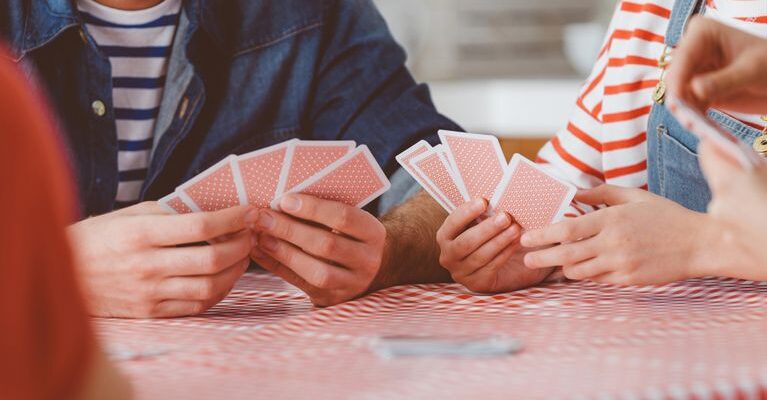
In an era dominated by digital interfaces, algorithmic feeds, and remote interactions, genuine human connection can occasionally feel difficult to maintain. While technology excels at broadcasting information across vast distances, it frequently replaces deep engagement with passive observation. Amid this landscape, the simple act of sitting around a table with a physical deck of cards offers a powerful counterweight.
Card games have served as foundational social rituals for centuries, crossing cultural boundaries and generational divides. Beyond the inherent entertainment value and strategic engagement, card games function as structural frameworks that foster communication, build relationships, and reduce isolation. Examining the specific sociological mechanisms at play reveals how a humble deck of cards can radically improve human interaction and emotional well-being.
Creating a Low-Stakes Social Lubricant
One of the primary obstacles to establishing new friendships or maintaining old ones is the ambient pressure of face-to-face conversation. For many individuals, particularly those who experience social anxiety or feel awkward in unfamiliar settings, the expectation to maintain continuous small talk can feel draining.
Card games solve this dilemma by introducing a structured activity that acts as a natural social lubricant. The rules, the objective of the game, and the cards themselves provide a shared focal point. Participants do not need to invent topics of conversation out of thin air because the state of the game offers an immediate, low-stakes script. Commenting on an unexpected draw, celebrating a clever play, or lamenting a stroke of bad luck creates an organic rhythm of communication. This shared focus allows individuals to interact comfortably, breaking down personal barriers far more quickly than traditional networking events or unstructured social gatherings.
Mitigating Loneliness Across All Generations
Loneliness has become a pervasive challenge in modern society, impacting vulnerable populations ranging from young adults navigating independent life to elderly individuals living in isolation. Card games serve as an inexpensive, highly accessible tool to combat this isolation by providing regular, structured opportunities to gather.
Strengthening Family Ties
For families, card games create a dedicated space where multiple generations can interact on equal footing. A single game of Rummy, Hearts, or Spades can bring grandparents, parents, and children to the exact same table. Because card games rely on a mixture of luck and strategy, they level the playing field, allowing a young child or an elderly relative to compete successfully against a middle-aged adult. This interaction creates a vibrant space for shared memories, helping to bridge generational gaps that might otherwise result in family alienation.
Fostering Community in Older Adults
For senior citizens, maintaining regular social bonds is vital for preserving mental health and preventing conditions like depression. Community centers, senior living facilities, and neighborhood clubs frequently use weekly card tournaments as a cornerstone of their social calendars. Gathering for a game of Bridge or Pinochle provides senior adults with a concrete reason to leave their homes, engage in meaningful conversation, and feel valued by a community of peers. This sustained social engagement has been linked to a stronger sense of belonging and a significantly higher self-reported quality of life.
Cultivating Vital Interpersonal Skills
The mechanics of card games demand that players observe, interpret, and react to the behavior of the people sitting across from them. This ongoing dynamic serves as an excellent training ground for developing and refining crucial interpersonal skills.
-
Active Listening and Observation: Success in games like Poker or Spades requires tracking not only the cards that have been played, but also the physical posture, hesitation patterns, and subtle verbal cues of your opponents. This hones a player ability to read non-verbal communication in real-world scenarios.
-
Empathy and Emotional Regulation: Card games expose individuals to the immediate highs of winning and the frustrations of losing. Learning how to navigate a difficult loss with grace, or celebrating a victory without alienating your peers, builds emotional resilience and situational empathy.
-
Healthy Conflict Management: Disagreements over rules, point tallies, or strategic mistakes are natural occurrences during a game night. Resolving these minor conflicts within the safe, bounded context of a game rules matrix teaches players how to negotiate and communicate under pressure without destroying personal relationships.
Promoting Teamwork and Collaborative Thinking
While many card games pit individual players against each other, a substantial portion of the classic catalog relies entirely on partnerships. Games like Bridge, Euchre, Pitch, and Spades require two or more players to operate as a singular unit to defeat the opposing team.
This cooperative framework demands an extraordinary level of non-verbal alignment and trust. Because players are generally forbidden from openly discussing their hands, partners must learn to interpret each other strategic intentions based solely on the cards they play. You must anticipate your partner needs, cover their weaknesses, and sacrifice your individual high cards to secure a team victory. This deep reliance on a teammate fosters a profound sense of camaraderie and shared accomplishment, translating directly into better collaborative skills in workplace environments and personal relationships.
The Power of Shared Rituals and Traditions
Human psychology thrives on predictability and ritual. Establishing a regular event, such as a bi-weekly Friday night poker game or a Sunday afternoon family card session, builds a reliable anchor into an individual schedule.
Knowing that a designated group of friends will assemble regularly provides participants with a profound sense of stability and anticipation. These gatherings frequently evolve into deeply personal traditions, complete with specific comfort foods, long-running inside jokes, and a shared history of legendary hands. In moments of personal crisis, economic stress, or societal upheaval, these simple card-playing rituals offer a safe haven where individuals can temporarily step away from external pressures, surrounded by a supportive network of familiar faces.
Conclusion
A deck of fifty-two playing cards is ultimately much more than a collection of paper rectangles used to pass the time. It is a highly sophisticated, historically proven engine for human socialization. By shifting our attention away from individual digital screens and directing it toward a shared physical space, card games remind us of the immense value of face-to-face interaction. Whether used to teach sportsmanship to children, build community among isolated adults, or maintain lifelong friendships, the social benefits of card playing endure as a testament to our universal need for genuine, structured connection.
Frequently Asked Questions
How do card games compare to video games regarding social benefits?
While multiplayer video games offer substantial opportunities for socialization via voice chat and digital cooperative play, they lack the physical proximity of card games. Sitting face-to-face allows players to read full body language, make direct eye contact, and experience shared physical laughter. Additionally, card games remove the technological barriers and rapid reflex requirements of video games, making them accessible to a wider demographic of ages and skill levels.
Can card games help introverts build better social networks?
Yes, card games are exceptionally beneficial for introverted individuals. Introverts often find unstructured social settings like loud parties or open-ended networking events overwhelming because the burden of maintaining interaction falls entirely on spontaneous conversation. A card game provides a clear boundary, defined rules, and a constant topic of discussion, which reduces the cognitive load of socializing and allows introverts to connect deeply without feeling drained.
What are some of the best card games for promoting cooperative teamwork?
Bridge is widely considered the pinnacle of cooperative card play, requiring intense partnership communication through bidding systems. Other excellent options include Euchre, Spades, and modern collaborative card games like The Crew, where players must work together silently against the game mechanics themselves rather than competing against each other.
How early can children begin playing card games to learn social skills?
Children as young as four or five can begin playing simple card games like Go Fish, Old Maid, or Crazy Eights. At this developmental stage, card games teach foundational social skills such as taking turns, following established rules, managing the disappointment of a loss, and focusing attention on a shared task for an extended period.
Do online card games provide the same social benefits as playing in person?
Online card platforms keep the strategic and cognitive aspects of the game intact, but they struggle to replicate the full spectrum of social benefits found in physical play. Even with live chat windows or video feeds, the physical separation reduces the organic flow of casual conversation and shared snacks. However, for individuals with limited mobility or those living in remote areas, online card rooms still serve as a valuable tool to maintain connections with friends and family.
Why does friendly competition in card games strengthen relationships rather than damage them?
Healthy competition within a game operates inside a safe psychological framework known as a magic circle. Players understand that the aggressive plays, bluffing, and strategic betrayals executed during the game are temporary actions bound entirely by the rules of play. Overcoming these challenges together creates a mutual respect and a shared narrative, which ultimately deepens bonds once the cards are shuffled and put away.